Easy Cotton Crochet Dishcloth Pattern: Free Step-by-Step
A fresh cotton dishcloth feels thick and nubby between your fingers, offering a satisfying weight that makes scrubbing kitchen surfaces feel like less of a chore. These squares remain sturdy after many cycles through a hot wash, drying quickly on a rack rather than holding onto damp odors. Beginners will find this project helpful for practicing even tension, as the rhythm of the repeated stitches creates a consistent, uniform fabric. This pattern relies on a simple combination of single and double crochet stitches to form the texture, giving you a beautiful result without any confusing or complex techniques.
Why You’ll Love This Pattern
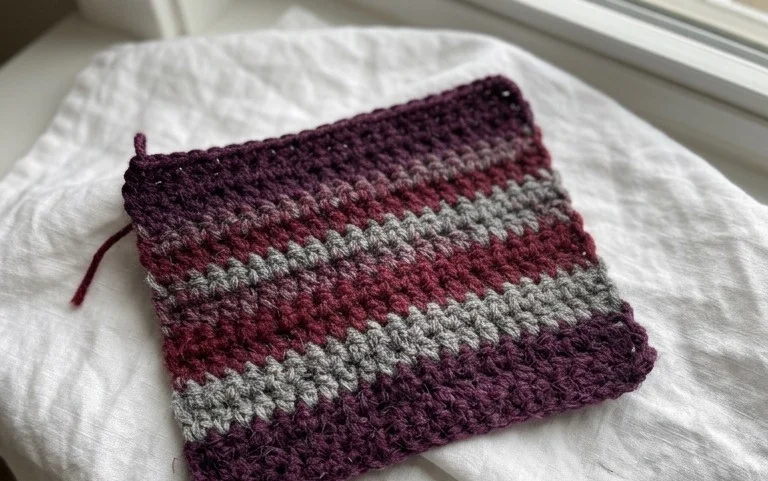
The Classic Crochet Cotton Dishcloth is a staple for every maker because it combines the durability of worsted weight cotton with the speed of simple, repetitive stitches. This pattern uses a textured stitch pattern that creates small ridges, perfect for scrubbing surfaces without scratching delicate finishes. You will enjoy how quickly it works up, making it an ideal choice for using up small amounts of leftover yarn. The resulting fabric is absorbent, heat-resistant, and machine washable, which is essential for busy kitchens.
I managed to finish three of these in a single weekend. They are much softer and more durable than the store-bought versions I used to buy.
— Sarah, home crafter
Pattern Overview & Skill Level
- Skill Level: Beginner
- Approximate Time: 45 to 60 minutes
- Construction: Worked in flat rows back and forth
- Finished Dimensions: 8 inches by 8 inches
Materials & Supplies Needed
- Yarn: Worsted weight (#4), 100% cotton, approximately 60-70 yards per dishcloth.
- Hook Size: 5.0 mm (US H-8).
- Notions: Tapestry needle for weaving in ends, scissors.
- Yarn Substitutions: Choose a 100% cotton or a cotton-linen blend. Avoid synthetic fibers like acrylic, as they are not absorbent and may melt when in contact with hot pans. Using a lighter weight yarn will result in a smaller dishcloth unless you increase the starting chain count.
Stitch Guide & Abbreviations (US Terms)
- ch = chain
- st = stitch
- sc = single crochet
- dc = double crochet
- sk = skip
- sl st = slip stitch
- Special Stitch: The Moss Stitch consists of a repeat of (sc, ch 1, sk 1 st).
Step-by-Step Pattern Instructions
Main Dishcloth Body
Begin by making a foundation chain of 31.
- Row 1: Sc in the 2nd ch from the hook, ch 1, sk next ch, sc in next ch. Repeat from * to * across. Turn. (16 sc, 15 ch-1 spaces)
- Row 2: Ch 1, sc in the first sc, ch 1, sk ch-1 space, sc in next sc. Repeat from * to * across. Turn. (16 sc, 15 ch-1 spaces)
- Rows 3-30: Repeat Row 2 until the piece measures 8 inches square.
- Finishing Row: Ch 1, sc in each sc and each ch-1 space across. Fasten off. (31 sts)
Border and Assembly
To provide a polished edge, join your yarn at any corner. Work 2 sc in each corner space and 1 sc evenly along each side to return to the starting point. Sl st to the first sc to join. Weave in all loose ends securely using your tapestry needle, ensuring the yarn is tucked through several stitches to prevent unraveling during washing.
Care & Washing Instructions
- Machine wash on a warm setting using a gentle detergent.
- Tumble dry on low heat or lay flat on a towel to air dry for best shape retention.
- If the cloth becomes misshapen, dampen it slightly with water, pull it into a square shape, and let it dry flat to block.
Pro Tips & Common Mistakes to Avoid
Maintaining consistent tension is the key to a professional-looking dishcloth. If your stitches are too tight, the fabric will be stiff and difficult to use; if they are too loose, the cloth will lose its structural integrity after a few washes. Using a stitch marker at the beginning of each row helps beginners ensure they are working into the final stitch of the previous row, preventing the edges from slanting inward. When weaving in your ends, carry the tail through the base of the stitches on the back side rather than knotting, which creates unnecessary bulk. If you wish to make a larger dishcloth, simply increase your starting chain to any odd number, keeping in mind that this will require more yardage.
Frequently Asked Questions
Can I use acrylic yarn for these dishcloths?
It is not recommended. Acrylic yarn is hydrophobic, meaning it repels water rather than absorbing it. Additionally, acrylic can melt if it touches a hot surface, such as a stove or a hot pan.
How do I adjust the size of the dishcloth?
You can adjust the width by chaining any odd number of stitches. To adjust the height, simply continue the Row 2 repeat until you reach your desired length before working the final sc row.
Are these patterns suitable for a complete beginner?
Yes. This pattern uses only basic single crochet and chain stitches. The repetitive nature of the moss stitch makes it an excellent way to practice even tension.
May I sell the finished items made from this pattern?
You are welcome to sell physical items made from this pattern, provided you credit the designer. Always check the specific terms provided by the pattern source if you are selling at craft fairs or online shops.
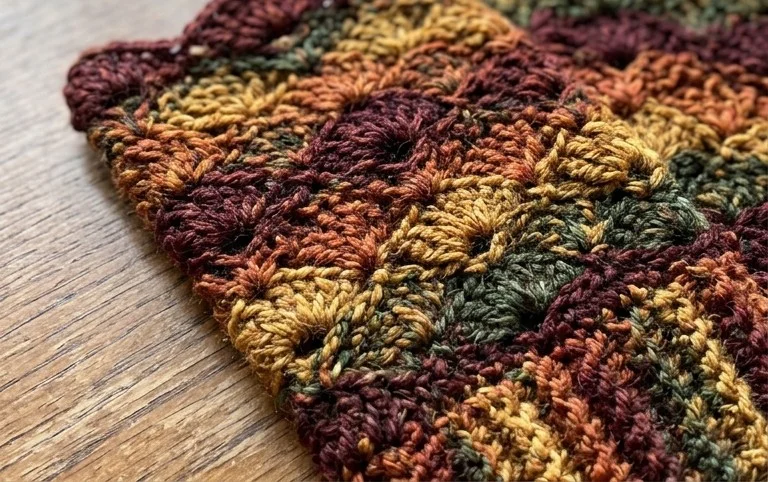
Your finished project is a functional addition to any home kitchen that will hold up to daily scrubbing. You can experiment with using two strands of yarn held together for a bulkier, more heavy-duty version or switch to a variegated yarn to add a pop of color to your cleaning supplies. I enjoy seeing how these look in different shades, so please share a photo of your work on Pinterest. If you want to expand your collection, check out the other dishcloth patterns available on the main blog page.