Easy Crochet Dog Sweater Pattern: Free Step-by-Step Guide
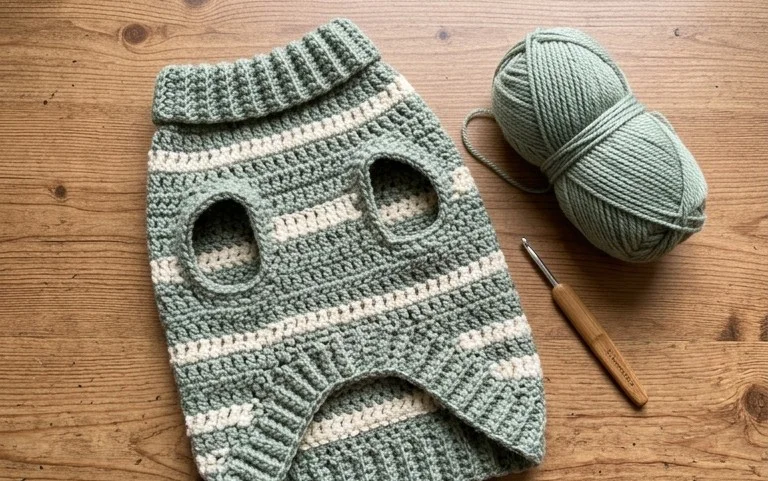
This cozy crochet dog sweater fits snugly around your pup to keep them warm during chilly morning walks. The finished fabric has a soft, flexible drape that moves comfortably with your pet, making it a favorite for active dogs who dislike stiff garments. Beginners find this project rewarding because it relies on repetitive rows of basic stitches, allowing you to establish a rhythm quickly. You will learn to shape the neckline and sleeve openings using simple increasing and decreasing techniques. It is a practical way to use up half-skeins of worsted weight yarn while creating a handmade gift for your canine companion.
Why You’ll Love This Pattern
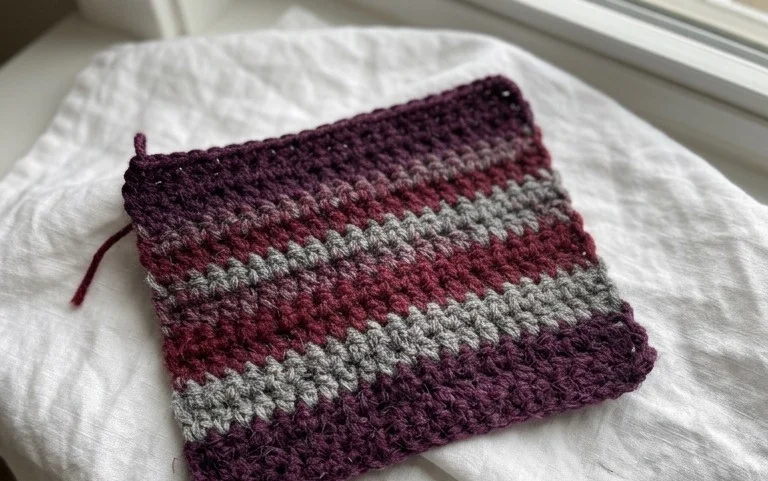
This classic crochet dishcloth works up quickly using basic stitches, making it a reliable project for an afternoon of relaxing crafting. Because it uses a simple combination of single and double crochet stitches, the resulting fabric has a bumpy texture that is ideal for scrubbing surfaces. You will find that this project is an excellent way to use up leftover cotton yarn from larger home decor items. Each finished square fits comfortably in the hand, providing enough surface area for daily kitchen tasks without being overly bulky to wring out.
I finished this dishcloth in just under an hour and the texture is perfect for washing dishes without scratching my non-stick pans.
— Sarah, home crafter
Pattern Overview & Skill Level
- Skill Level: Beginner
- Approximate Time: 45–60 minutes
- Construction: Worked in rows from the bottom up
- Finished Dimensions & Sizing: 8 inches by 8 inches
Materials & Supplies Needed
- Yarn: Worsted weight (#4) 100% cotton yarn, approximately 45 yards. Cotton is necessary for its absorbency and heat resistance.
- Hook Size: 5.0 mm (H-8) crochet hook
- Notions: Yarn needle for weaving in ends, sharp scissors
- Safe yarn substitutions: You may use a cotton-acrylic blend, though it will be slightly less absorbent than 100% cotton. Avoid wool or acrylic yarns as they lack the necessary heat tolerance and scrubbing texture.
Stitch Guide & Abbreviations (US Terms)
- ch = chain
- sc = single crochet: insert hook, yarn over, pull up a loop, yarn over, pull through both loops on hook.
- dc = double crochet: yarn over, insert hook, pull up a loop, yarn over, pull through two loops, yarn over, pull through remaining two loops.
- st(s) = stitch(es)
- turn = turn your work to begin the next row
Step-by-Step Pattern Instructions
Dishcloth Base
- Row 1: Ch 30. Sc in the second ch from hook and in every ch across. (29 sts)
- Row 2: Ch 1, turn. Dc in the first st, sc in the next st. Repeat this pattern across until 1 st remains. Dc in the last st. (29 sts)
- Row 3: Ch 1, turn. Sc in the first st, dc in the next st. Repeat this pattern across until 1 st remains. Sc in the last st. (29 sts)
- Rows 4–28: Repeat Rows 2 and 3 until the piece measures 8 inches long.
- Finishing: Fasten off, leaving a 6-inch tail. Use your yarn needle to weave the tail securely back and forth through the stitches on the wrong side to prevent unraveling.
Care & Washing Instructions
- Machine wash in warm water on a gentle cycle to remove oils and kitchen residue.
- Tumble dry on low heat or lay flat on a towel to air dry to prevent edge curling.
- Reshape the square by pulling the corners gently while damp if the fabric loses its square form.
Pro Tips & Common Mistakes to Avoid
Maintaining consistent tension is the most important factor in keeping the square shape. If your tension is naturally tight, move up one hook size to ensure the fabric remains flexible rather than stiff. Always place a stitch marker in the first stitch of every row; this helps you track your stitch counts and ensures you do not accidentally skip the final stitch of a row, which is a common error that leads to uneven edges. To weave in your ends invisibly, split the plys of the yarn with your needle and sew through the center of the stitches rather than simply looping around the outside edge. You can adjust the size of the cloth by chaining any odd number of stitches for your foundation row, but note that increasing the size will require a proportional increase in yardage.
Frequently Asked Questions
Can I use a larger hook size than recommended?
Using a larger hook will make the fabric less dense and more prone to stretching. For dishcloths, stick to the recommended 5.0 mm hook to maintain the scrubbing efficiency of the stitches.
How do I make this dishcloth bigger?
To increase the size, add more chains in multiples of two to your starting foundation row. Remember that a larger cloth will require more than the suggested 45 yards of yarn.
Is this pattern suitable for someone who has never crocheted before?
Yes, this is an ideal first project. It focuses on the two most foundational stitches in crochet and requires no shaping, counting of rounds, or complex assembly.
Can I sell the finished dishcloths I make from this pattern?
You are welcome to sell items made from this pattern as long as you do not use my specific photographs or text. Check the copyright notice on the original design source for any specific credit requirements the designer may have established.
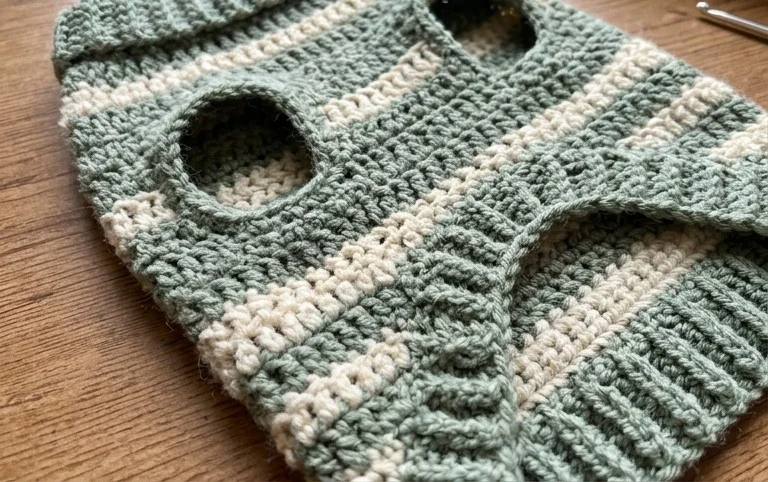
Watching your dog romp around in a garment you made by hand provides a great sense of accomplishment for any maker. You can create a distinct look by using two contrasting yarn colors for the ribbed trim or adding a small pompom to the back for a festive touch. Please post a photo of your finished work on social media so others can see your color choices in action. If you enjoyed this project, browse the rest of the blog for more free patterns to fill your creative queue.